
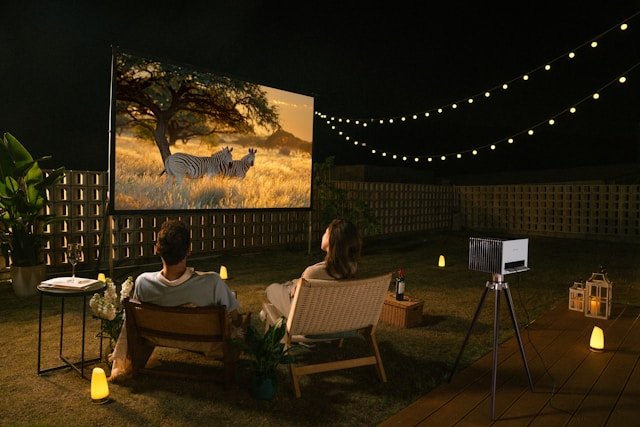
If you want a truly cinematic experience at home, a high-quality projector can transform the whole experience. But choosing the right one is not always easy. There are many models, many features, and every brand says their projector is the best. This projector buying guide will help you understand what matters and what does not, so you can make the right choice without confusion.
Whether you are building a home theatre for the first time or upgrading an old setup, this simple and clear home theatre projector guide will make your decision easier.
Why a Projector Is Better Than a TV for Home Theatre
Many people today choose projectors instead of large TVs. The main reason is screen size. With a projector, you can get a screen as big as 100 inches or 150 inches without spending too much money. It also gives a more cinematic, immersive feeling, especially when watching movies or sports.
A projector also saves space and looks cleaner in the room. When you turn it off, the room looks normal again. And for global users who enjoy gatherings, sports nights, or family movie time, a projector brings everyone together. This projector buying guide will help you make a decision.
Also Read
Best projector under 10000 in India
Projector vs TV: which is best for a home theatre?
1. Decide Your Purpose First
Before you choose any model, be clear about your purpose. Ask yourself:
- Will you use it mainly for movies?
- Do you want it for gaming?
- Will you use it in a bright room?
- Do you need it for outdoor use?
- Do you want a small portable projector or a fixed home theatre projector?
When you know your purpose, selecting the right features becomes easier. For example, a projector for gaming must have low input lag, while a projector for movies must have good color accuracy.
2. Understand the Types of Projectors
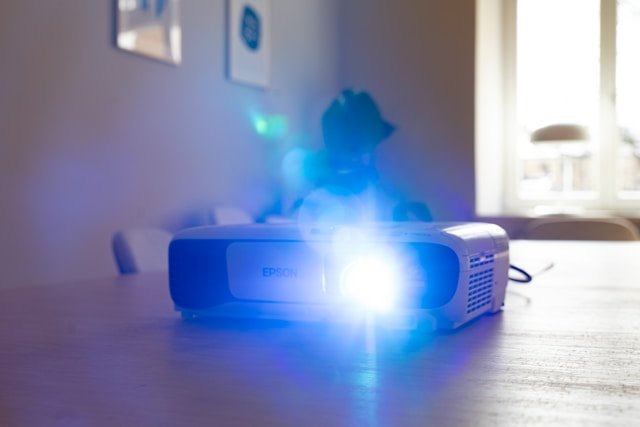
There are 3 main types of projectors available today. Each one has its own pros and cons.
LCD Projectors
LCD projectors use liquid crystal panels to show images.
Pros:
• Bright images
• Good color quality
• Affordable price
Cons:
• Black levels are not the best
• Slight screen-door effect in some models
LCD projectors are great for beginners and for rooms with some amount of light.
DLP Projectors
DLP projectors use tiny mirrors to reflect light.
Pros:
• Sharp image
• Smooth motion
• Better contrast
Cons:
• Some users may notice the rainbow effect
• Repair cost can be higher
DLP projectors are popular for home theatres because they give a clean, sharp picture that feels closer to cinema quality.
Laser Projectors
Laser projectors are the newest technology.
Pros:
• Very long life
• Excellent brightness
• Rich colors
• No lamp replacement needed
Cons:
• High price
If you want a premium home theatre setup, laser projectors are the best choice.
3. Brightness: A Key Factor You Must Check with this projector buying guide
Brightness is one of the most important things in any projector buying guide. It is measured in lumens.
• For a dark room: 1500 to 2500 lumens is enough
• For a room with some light: 2500 to 3500 lumens
• For bright rooms or outdoor use: 3500+ lumens
If the brightness is too low, the picture will look washed out. If it is too high for a dark room, the picture may look unnatural. Choose brightness based on your room conditions.
4. Resolution: Higher Is Better
Resolution affects the clarity of the picture.
• 1080p Full HD: Good for beginners
• 2K and 4K: Best for home theatre lovers
• 8K: Very expensive and not widely available yet
For a home theatre projector guide, experts usually recommend at least 1080p, but 4K is ideal if your budget allows. A 4K projector gives better details, richer texture, and a more cinematic look on large screens.
5. Throw Distance and Room Size
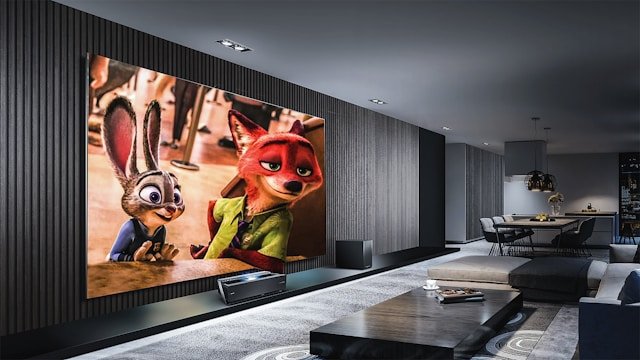
Throw distance tells you how far the projector needs to be from the screen to produce a certain screen size.
There are 3 types:
- Standard Throw: Needs more distance. Good for big rooms.
- Short Throw: Can produce a big image from a short distance. Ideal for medium rooms.
- Ultra Short Throw (UST): Can sit very close to the wall and still produce a 100-inch image. Best for small rooms or apartments.
If you have limited space, consider a short-throw or UST projector.
6. Contrast Ratio: Deeper Blacks, Better Movies
Contrast ratio shows the difference between the darkest black and the brightest white.
Higher contrast means more depth and more realistic images.
For movie lovers, contrast is a major factor.
• Basic projectors: 1000:1 to 5000:1
• Good projectors: 10000:1 to 20000:1
• Premium home theatre projectors: 50000:1 and above
Choose a higher contrast ratio if you watch movies in a dark room. It makes night scenes look more dramatic and detailed.
7. Color Accuracy and HDR Support
A projector with good color accuracy will show natural skin tones, clean whites, and vibrant colors. Look for:
• HDR10 support
• Wide color gamut
• Good color calibration settings
HDR improves brightness and color levels. With HDR, movies look more cinematic and lively.
8. Lamp Life and Maintenance
Most traditional projectors use lamps that need to be replaced after some years. Lamp life is usually:
• Normal lamps: 3000 to 5000 hours
• LED projectors: 20,000+ hours
• Laser projectors: 20,000 to 30,000 hours
If you want low maintenance and long life, LED or laser projectors are the best investment.
9. Sound Quality: Not Always the Best
Projectors come with built-in speakers, but they are usually weak. For a real home theatre experience, you should consider:
• Soundbar
• Home theatre system
• Bluetooth speakers
Good audio makes a huge difference in movies and sports. Even a simple soundbar will be much better than the projector’s internal speakers.
10. Connectivity Options
Your projector should support all the devices you plan to use. Check for:
• HDMI ports
• USB ports
• Bluetooth
• Wi-Fi
• Screen mirroring
• Audio output for speakers
• Compatibility with Fire TV Stick or Android TV box
Wireless connectivity makes streaming much easier.
11. Portability and Design
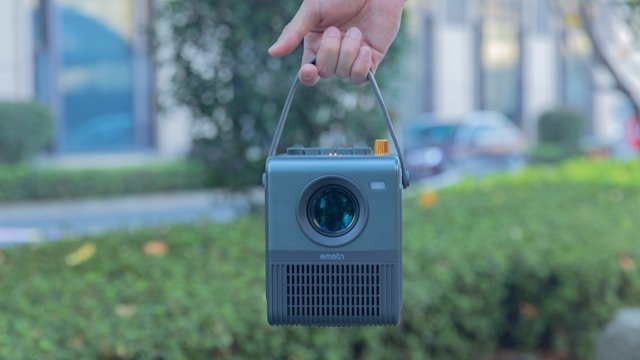
If you want to move the projector between rooms or take it outdoors, choose a portable model. Portable projectors are lightweight and come with built-in smart features. But their brightness may be lower.
For fixed home theatre setups, choose a larger, more powerful projector that stays in one place.
12. Budget: How Much Should You Spend?
Your budget depends on what experience you want.
• Under $200: Basic portable projectors
• $200 to $600: Good quality Full HD projectors
• $600 to $1500: High-quality 4K projectors
• $1500 and above: Premium laser projectors
If you want the best home theatre experience, investing in a 4K or laser projector is worthwhile.
13. Screen Type Matters Too
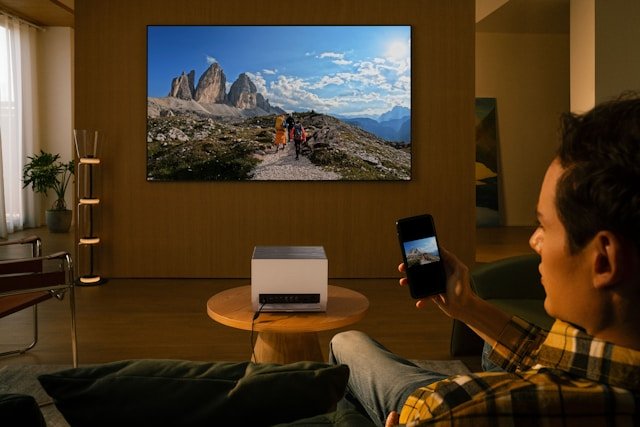
A projector screen improves picture quality. You can choose:
• Fixed frame screen
• Motorized screen
• Portable screen
• ALR (Ambient Light Rejection) screen for bright rooms
If you use a plain wall, the picture will not look as sharp or bright.
Final Thoughts: Choose a Projector That Fits Your Lifestyle
A projector is more than a device. It becomes a part of your home and your entertainment lifestyle. With this simple projector buying guide, you now understand the essential features to check before making a purchase.
Remember these key points:
• Choose brightness based on your room
• Go for higher resolution if possible
• Check throw distance before buying
• Contrast and HDR matter for movies
• Audio setup is important
• Select a model that fits your budget and space
A well-selected projector can give you years of enjoyment, movie nights, gaming sessions, and unforgettable home theatre moments.